
East Sussex, BN1, BN2
Brighton damp proofing for bungaroosh walls and basement flats
The Brighton Plasterer carries out damp proofing across Brighton, from Hanover terraces to Kemptown basement flats. James takes moisture readings and inspects the outside of the building before quoting, then fits an injected damp course, tanking or salt-resistant re-plaster only where the diagnosis genuinely calls for it.
Damp Proofing in Brighton, and what is different about it
Brighton sits on chalk, close to the sea, with street after street of solid walls that were built before damp courses were normal. That combination produces a lot of wet plaster, and a surprising amount of it is blamed on the wrong thing. Before anyone talks about injecting a wall in BN1 or BN2, it is worth finding out where the water is actually coming from.
The older housing in this city gives damp several easy routes in. Pavements and back yards have been resurfaced so many times that the original slate course now sits below ground on plenty of Hanover and Lewes Road terraces, which lets moisture step straight over it. Regency and early Victorian buildings add bungaroosh to the picture, a wall of flint, beach cobbles and rubble bound in lime that stays sound while it can dry and falls apart when it cannot. Then there are the lower ground flats under the Regency squares, sitting partly below pavement level with vaults behind them.
Diagnosis is a fairly unglamorous half hour. James takes moisture readings at intervals up the wall, because a true capillary problem tails off with height and a leak does not. He looks at the outside: ground levels against the wall, the state of the gutters and downpipes, pointing on the exposed elevation, and whether a rendered plinth is holding water in. Inside, he asks how the room is heated, whether windows get opened, and where the washing dries. In a shared house full of students that last question answers the problem more often than any meter does.
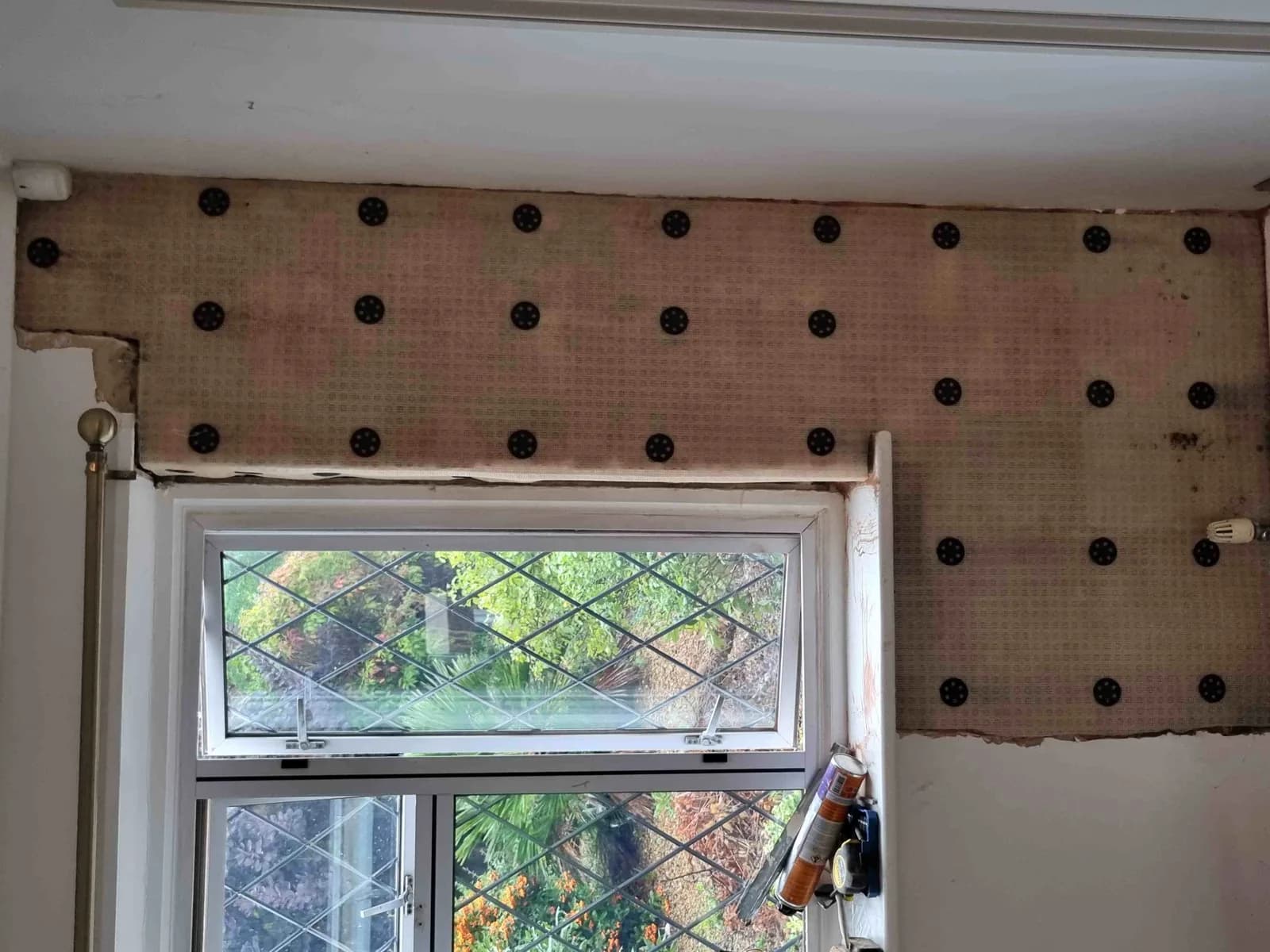
Where treatment is genuinely needed, what goes in depends on the wall. A solid brick terrace with a failed course takes an injected damp proof course through the mortar bed, then the contaminated plaster comes off and a salt-resistant renovating system goes back on so old salts cannot wick through the new finish. Bungaroosh gets nothing of the sort. That wall needs to keep breathing, so the answer is a lime re-plaster and a route for the moisture to leave. A lower ground room being used as living space is usually a cavity drain membrane job rather than an injection job.
Also covered from Brighton: Rottingdean, Saltdean, Ovingdean, Withdean, Patcham. For the full picture of Brighton and every service there, see the Brighton page.
What Brighton needs watching for
Pavement levels checked
Central Brighton pavements have been relaid repeatedly, so the original slate course often sits below the path outside. That gets measured before anyone talks about drilling the wall.
Injection refused on bungaroosh
Chemical injection into a flint and rubble wall bound in lime is both unreliable and unkind to the fabric. James will say so and specify a breathable repair instead.
Shared houses and condensation
With two universities in the city, a lot of BN2 damp turns out to be four people, no extractor and no open windows. Ventilation costs less than a damp course.
Damp Proofing nearby
How the job runs
Step by step in Brighton
The order below is how a damp proofing job actually runs on the kind of property Brighton is made of. For the full method and the materials behind it, see the damp proofing page.
01Survey and readings
James measures moisture at intervals up each affected wall and records where it stops, which separates a rising problem from a leak or a bridged course.
02Outside inspection
Ground and pavement levels, gutters, downpipes, pointing and any rendered plinth get checked from the street and the back yard, because most Brighton damp arrives from outside.
03Treatment to suit the wall
An injected course on solid brick, a lime repair on bungaroosh, or a membrane in a lower ground room. The wall decides, not a standard package.
04Re-plaster and drying
Contaminated plaster comes off, a salt-resistant or lime system goes back on, and James gives you an honest drying time before the decorator is booked.
Straight answers
When it is not the right answer here
- A damp course cannot help a wall that is being soaked by a cracked downpipe, so the rainwater goods are fixed first.
- Where a raised pavement or patio bridges the original slate course, lowering the ground beats injecting the wall above it.
- Black mould in the corner of a cold bedroom is condensation, and it is answered by heating, extraction and airflow.
Damp Proofing, Brighton
Damp Proofing in Brighton, questions answered
What people in Brighton ask before booking damp proofing, answered properly rather than in one line.
How can I tell rising damp from penetrating damp in a Brighton terrace?
Rising damp shows as a fairly even tide mark that fades out with height, usually below about a metre. Penetrating damp sits in a patch, often on the weather side, and worsens a day or two after heavy rain. Readings taken at intervals up the wall separate the two quickly.
Can a bungaroosh wall be injected with a chemical damp course?
It is rarely the right answer. Bungaroosh is flint, cobbles and rubble in lime with no consistent mortar bed to inject into, and sealing it traps water in fabric that has to dry. A breathable lime repair, plus controlling the water outside, does far more good.
Why is my Kemptown lower ground flat damp along one wall?
Lower ground rooms in the Regency squares sit partly below the pavement, often with a light well or vaults behind them. Ground water and street run-off press against that wall all year. Tanking or a cavity drain membrane usually suits it better than an injected course.
When can I paint a wall that has just been damp proofed?
New plaster over a treated wall holds a great deal of water, and the wall behind is still giving moisture up. Allow several weeks rather than several days. Use a breathable emulsion for the first period so drying can carry on through the surface.
Do you take moisture readings before quoting damp proofing in Brighton?
Always. Readings up the wall, plus a look at ground levels and rainwater goods outside, come before any price is discussed. Quoting a damp course from a photograph of a stain is guesswork, and it is how people pay for work they never needed.
My Hanover terrace is damp at the bottom of the front wall. Could it be the pavement?
Very possibly. Hanover paths and yards have been resurfaced many times and the original slate course can end up at or below the finished level. Where the ground bridges the course, lowering it is cheaper and lasts longer than treating the brickwork.
Do you tank cellars and basements in Brighton?
Yes, where the space is going to be lived in or used properly rather than left as storage. Depending on the construction and the intended use, that means either a tanking slurry or a cavity drain membrane run to a drainage channel and sump.
Will damp work harm the original plaster in a listed Brighton building?
It can, which is exactly why the specification matters. On listed and conservation area property James works in breathable lime systems, and he flags where consent is likely to be needed before historic plaster or external render is altered.
Damp Proofing in Brighton? Call James
Free quotes across Brighton and Rottingdean, Saltdean, with a written price before anything starts.