
What James does, and how each job actually works
Three things, done properly, covering everything from a single blown patch to a full exterior re-render. Start here for the short version of each one, then open its own page for the materials, the method, the timings and the honest limits.
Service 01
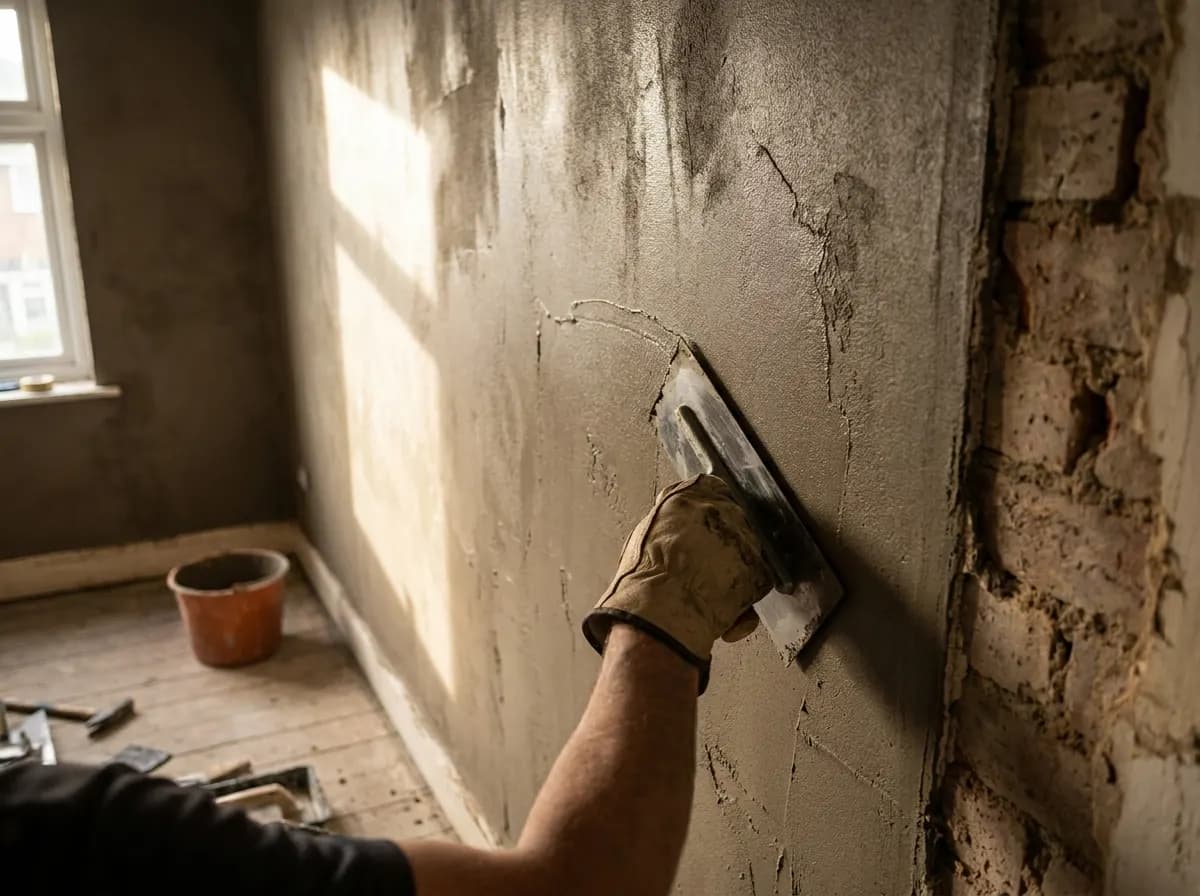
Plastering
The Brighton Plasterer provides full interior plastering across Brighton, Hove and the surrounding Sussex towns. James hacks off failed plaster, applies a backing coat to true up the wall, then finishes it flat and ready for decorating, typically within two to four days for a single room.
Full wall and ceiling plastering, from hacking off blown lime plaster in a period terrace to a flat, ready-to-decorate finish.
- Full re-plastering, and a lighter re-skim where the background is already sound
- Hacking off blown, damp-damaged or artexed surfaces back to a sound background
- Bonding, browning and hardwall backing coats to bring old walls true
- Lath and plaster ceiling repair and overboarding in period properties
- Ceilings flattened and finished ready for a modern matt emulsion
- Everything sheeted up, and the dust and debris taken away at the end
Plastering where you are
Every town below has its own page covering plastering and the property that is actually there.
Service 02
Damp Proofing
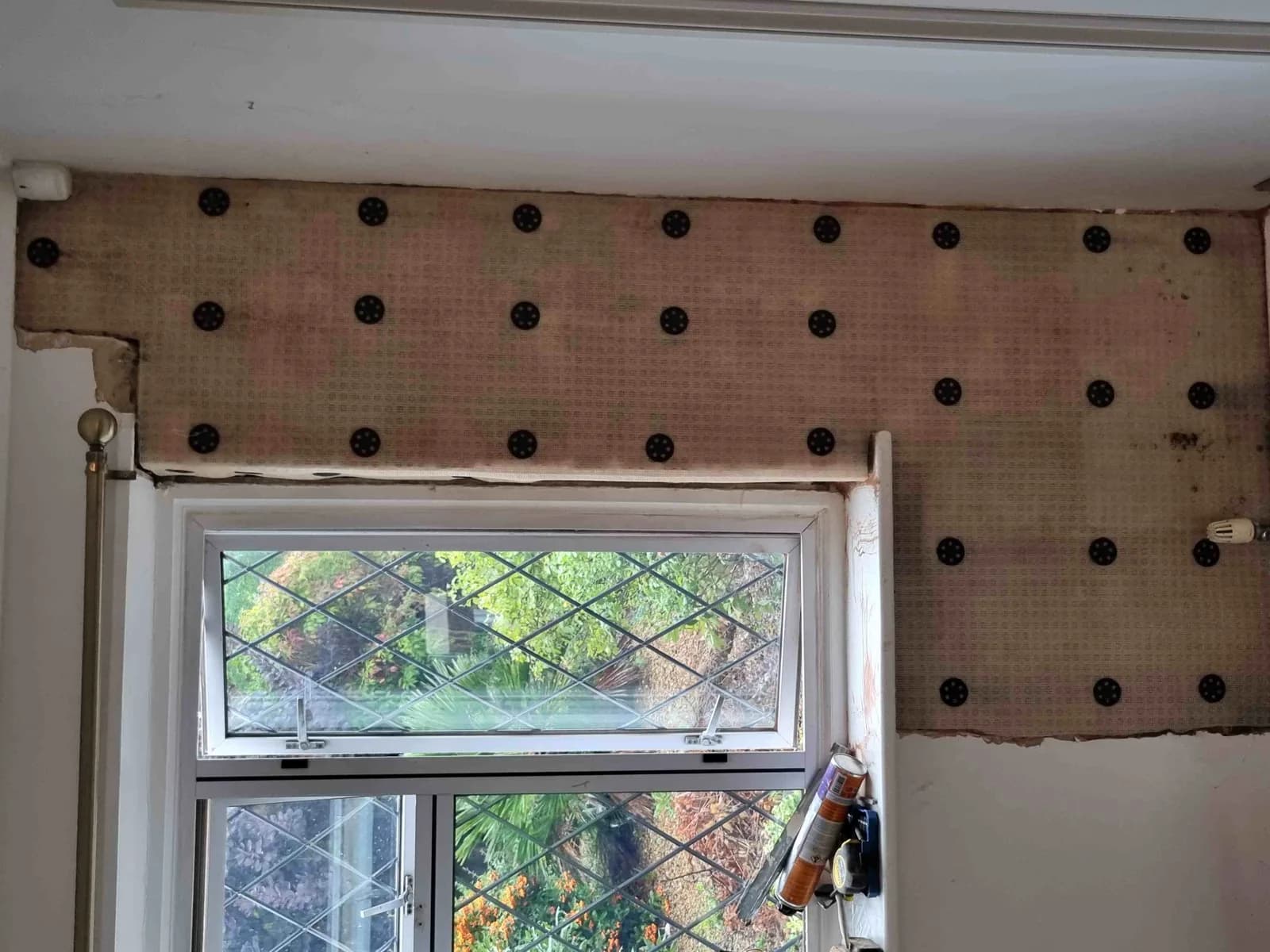
Damp proofing treats the cause of moisture in a wall, not just the stain it leaves. The Brighton Plasterer diagnoses whether the problem is rising damp, penetrating damp or condensation, then installs an injected damp proof course, tanking system or breathable re-plaster to suit the property and its construction.
Diagnose the damp first, then treat it. Injected damp proof courses, tanking and breathable re-plastering.
- Damp survey and moisture readings before any treatment is quoted
- Chemical injected damp proof course into solid and cavity walls
- Salt-resistant renovating plaster and breathable lime re-plastering
- Cellar and basement tanking, slurry systems and cavity drain membrane
- Straight answers when the fix is guttering or ventilation, not a damp course
Damp Proofing where you are
Every town below has its own page covering damp proofing and the property that is actually there.
Service 03
Rendering and Exterior Rendering
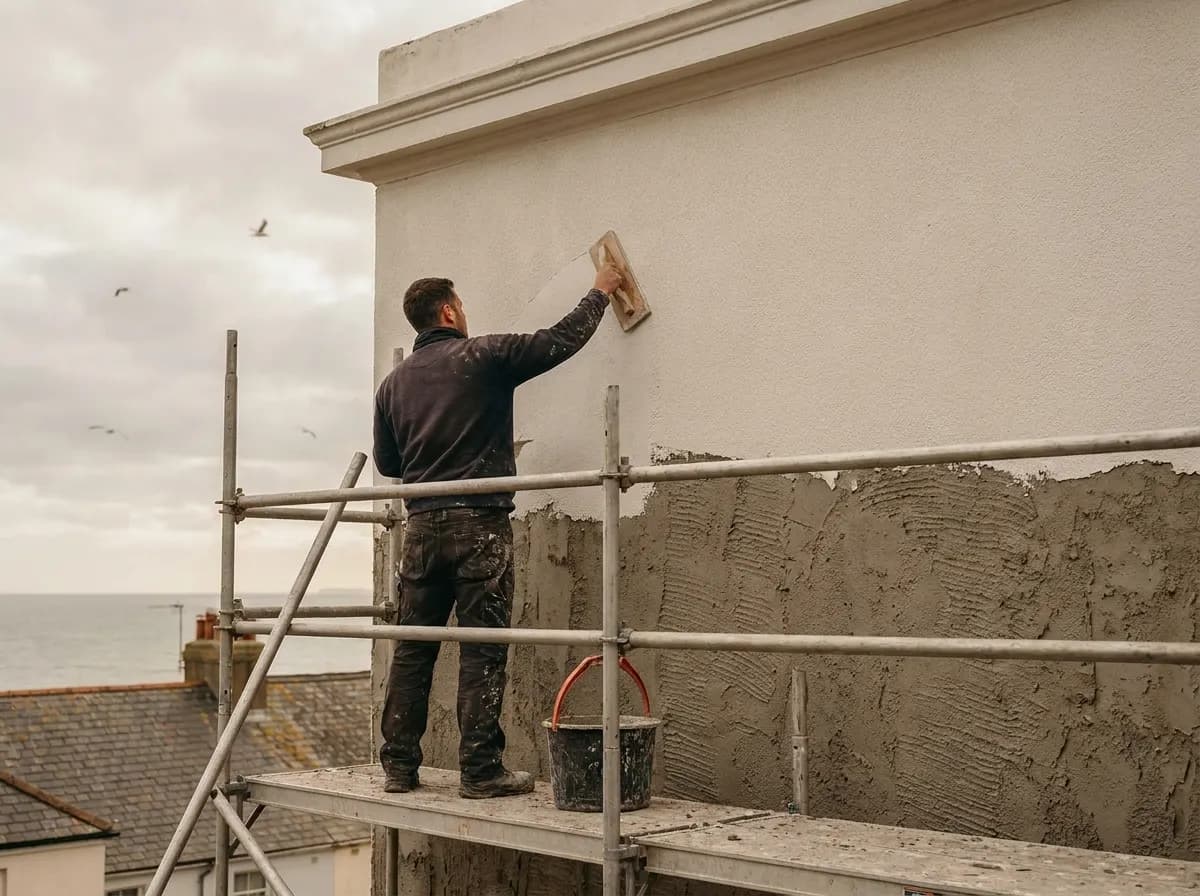
Exterior rendering protects a building's walls from wind-driven rain and salt air while changing how it looks. The Brighton Plasterer applies traditional sand and cement, monocouche and through-coloured silicone renders across the Sussex coast, specifying the system around the property's exposure, its background and whether the wall needs to breathe.
Sand and cement, monocouche and silicone render built for salt air, driving rain and Sussex weather.
- Through-coloured silicone and monocouche render, no repainting needed
- Traditional sand and cement render, floated, sponged or pebbledashed
- Render repairs, crack stitching and patching to match existing
- Coastal detailing: bellcast beads, movement joints, proper reveals
- Full scaffold arranged and coordinated as part of the job
Rendering where you are
Every town below has its own page covering rendering and the property that is actually there.
Before and after
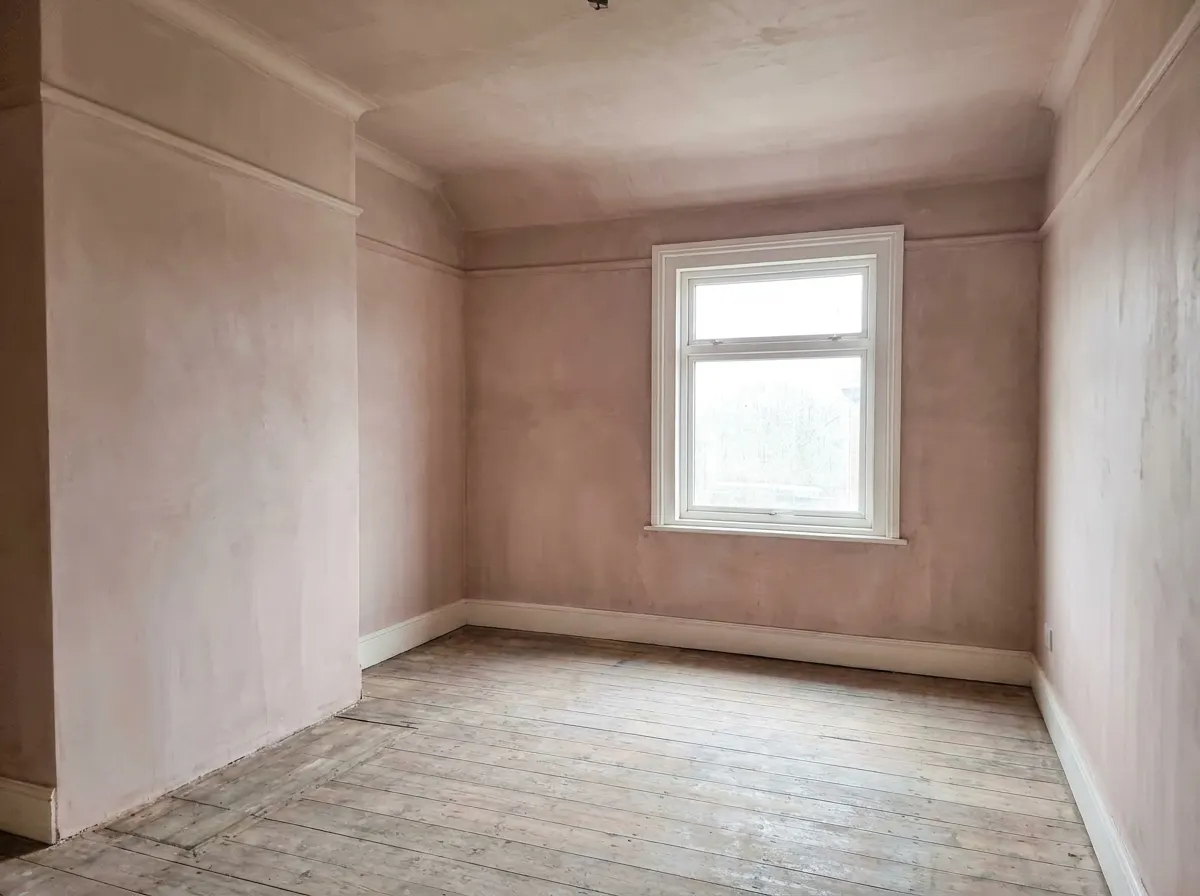
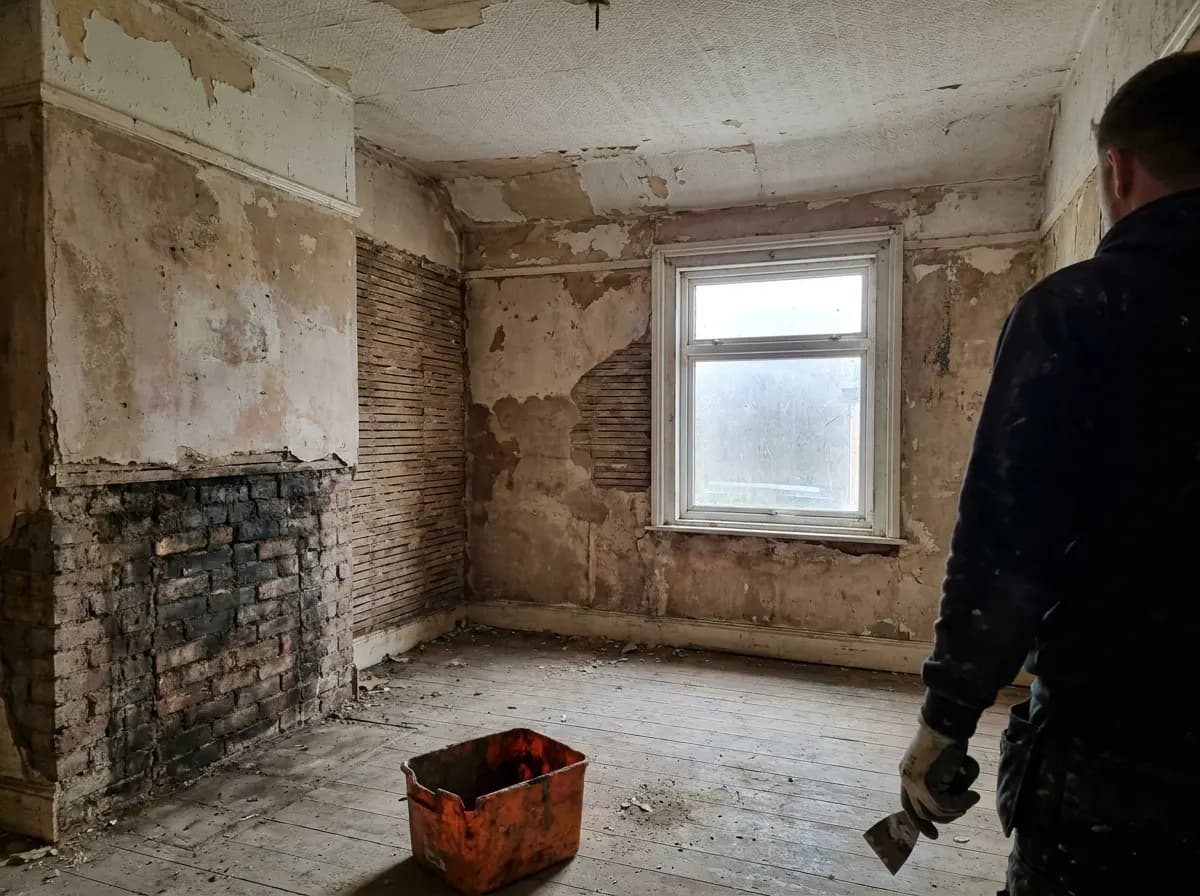
A full re-plaster, start to finish
Hacked back to a sound background, floated true and skimmed flat, ready for the decorator. Drag the handle to compare.
Service questions
Questions about the work itself
Practical answers on timings, materials, preparation and what to expect while the job is running.
What is the difference between a full re-plaster and a re-skim?
A full re-plaster means hacking off failed material and applying a backing coat to bring the wall true before finishing it. A re-skim is the thin two-coat finish applied over a wall that is already sound. Both are plastering, and James will tell you which one your wall actually needs.
How long does it take to skim one room?
An average bedroom or living room is generally a one-day skim once preparation is complete. Ceilings add time, as does a wall that needs significant making good before the finish can go on.
Which render system should I choose?
On an exposed Sussex coastal elevation, a through-coloured silicone render usually performs best because it sheds wind-driven rain, breathes and never needs repainting. Monocouche suits a lot of standard housing, and traditional sand and cement still has its place inland.
Do I need a damp proof course or is something else causing the damp?
Very often it is something else. Raised external ground levels, a cracked downpipe, a failed render detail or condensation all leave the same tide mark as rising damp. James takes moisture readings and inspects outside before recommending any treatment.
What are the three services you actually offer?
Plastering, exterior rendering and damp proofing. James keeps the list short deliberately, because those three are what he does day in and day out across Brighton and Sussex, and a short list done properly beats a long one done adequately.
Do you do lath and plaster ceiling repairs?
Yes, as part of plastering. A ceiling that is only cracked in places can usually be saved by re-fixing the loose areas. Once it has come away from the laths more widely, boarding over the top is the cheaper answer in the long run, because patching it will not hold.
Do you supply and arrange scaffolding?
Yes. For rendering and any work at height, scaffold is arranged and coordinated as part of the job and its cost is written into the quote from the start, including a pavement licence where one is needed.
What preparation do I need to do before you arrive?
Clear the room as far as you reasonably can, take down curtains and pictures, and move anything fragile out. Anything left is moved to the middle and sheeted. Wallpaper removal can be included in the quote if you would rather not do it.
Do you guarantee your work?
James stands behind the work he carries out and will come back if something is not right. Manufacturer guarantees on render and damp proofing systems vary by product, so ask about the specific system when you get your quote.
Can you do small repairs, or only whole rooms?
Small repairs are welcome. A single blown patch, one damaged reveal or a section of failed render is worth a call, and James will often group small jobs in the same area so the visit is worth making.
Not sure which one you need?
Describe the problem and James will tell you what it actually wants.